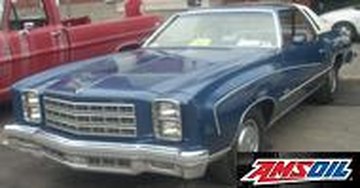
Maintaining Lubrication Standards for the 1982 Chevrolet IMPALA 3.8L
Proper engine maintenance is a cornerstone of long-term vehicle health, particularly when managing an engine that has been in operation for several decades. For the 1982 Chevrolet IMPALA equipped with the 3.8L engine, consistent attention to lubrication and routine inspections can help ensure the mechanical components continue to operate as intended.Monitoring Fluid Integrity and Potential Seepage
A primary aspect of maintaining an older vehicle involves regular visual assessments of the engine bay. Over time, various seals and gaskets may undergo changes in their physical properties due to heat cycles and age. It is useful to periodically inspect the area around the engine for any signs of fluid seepage or active leaks. When performing these inspections, look for dampness or residue on various engine surfaces. Identifying a small amount of seepage early can be more manageable than addressing a significant leak later. If you notice any unexpected fluid accumulation, it warrants further investigation to determine the source. Additionally, checking the condition of visible hoses and electrical connections during these routine checks is a practical way to monitor the overall health of the engine compartment.Observing Changes in Engine Performance and Indicators
While many maintenance tasks are proactive, being attentive to how the vehicle behaves during operation is equally important. Owners should be aware of any changes that deviate from the normal operating state. For example, if you notice an unusual odor or observe changes in how the engine sounds while idling or under load, these can be indicators that something requires attention. It is also vital to monitor any warning indicators on the dashboard. If a lubrication-related warning light appears, this should be treated as a priority for investigation. Furthermore, keep an eye on the appearance of exhaust gases; while many factors can influence exhaust color, any sudden or unusual changes should be noted and investigated by a professional. Remember that symptoms like these can have multiple underlying causes, so they should be viewed as signals for inspection rather than definitive diagnoses of a specific part failure.Prioritizing Maintenance Based on Current Condition
As vehicles age, the approach to maintenance often shifts from strictly following a calendar-based schedule to a more condition-based strategy. For a 1982 Chevrolet IMPALA, this means evaluating the actual state of the components rather than assuming they require replacement simply because of their age. If you are stepping into ownership of this vehicle without a complete service history, establishing a maintenance baseline is a logical first step. This involves reviewing any available records to see when fluids were last changed and what repairs have been performed. If documentation is unavailable, performing a thorough inspection of all major service points—such as the condition of belts (if equipped) and the clarity of various fluids—can help you determine where to focus your efforts. Addressing active concerns, such as minor leaks or aging components that show visible wear, should take precedence over general preventive measures.The Role of Clean Lubricant in Engine Longevity
Engine oil performs several vital roles that are essential for the continued operation of the 3.8L engine. Beyond simply reducing friction between moving parts, the lubricant helps to manage heat and carry away contaminants that can accumulate during the combustion process. Over time, even high-quality oil can begin to break down or become saturated with microscopic debris. This is why maintaining a regular service routine is so important. Fresh lubricant ensures that the engine's internal components remain protected against wear and that the system remains free of sludge or heavy deposits that could otherwise interfere with mechanical movement. By ensuring the oil is changed according to the appropriate schedule, you help maintain the thermal stability and cleaning capabilities of the lubrication system.Managing Aging Components and Materials
When maintaining a vehicle from the early 1980s, it is helpful to recognize that certain materials, such as rubber and various synthetic compounds used in seals and belts, may become less resilient over time. If your vehicle is equipped with accessible drive belts, inspecting them for signs of cracking, glazing, or fraying can prevent unexpected issues. Similarly, checking the condition of cooling system hoses if they are present can help ensure the engine remains within its intended operating temperature range. Rather than replacing parts based on guesswork, use a combination of visual inspection and historical context. If a component shows clear signs of deterioration—such as significant cracking in a belt or a hose that feels excessively soft or brittle—it is a candidate for replacement. This targeted approach to maintenance is often more efficient and cost-effective than broad, unnecessary part replacements.Practical Guidance for Buying Engine Oil for your 1982 Chevrolet IMPALA 3.8L
When it is time to replenish your engine's lubrication, the most important step is to ensure the product you select matches the specific requirements of your engine. To ensure compatibility and performance, match the engine oil to the application-specific viscosity information already displayed on this page. When shopping for products, consider the following practical tips:- Verify the Label: Always check the product packaging to confirm that the SAE viscosity grade matches what is listed in your vehicle's application information.
- Consider Formulations: Depending on your engine's current condition and mileage, you may choose between conventional oil, synthetic blends, or full synthetic options. Some high-mileage oil formulations contain additives intended for use in aging engines, including seal-conditioning additives that may be beneficial for older seals.
- Check Certifications: Look for the appropriate API certification on the bottle to ensure the oil meets modern quality and performance standards.
- Avoid Assumptions: Do not rely on general knowledge or assumptions about what an "old car" needs; always defer to the specific viscosity and application data provided in your vehicle's technical documentation.